To Ice or Not to Ice your injury? – Sacha Bhandal
Tread Well • July 10, 2017
If you use common sense, ice has always been recommended when a body part is in a state of inflammation, especially during the acute stage. Heat is recommended to relax muscle spasms and general stiffness of muscles and joints. This has been taught and educated for so long, however, what if there is a possibility that this is not the best recommendation and that we have it all wrong? Just keep your mind open instead of being defensive.
The question that we need to ask is what does the evidence state in terms of Heat versus Ice?
A 2012 study in the British Journal of Sports Medicine found no clinical studies of the effectiveness of ice after acute muscle strains. According to a 2013 study that was published in the Journal of Strength and Conditioning Research it found ice to delay recovery from eccentric exercise induced muscle damage. Other studies have found icing to be counterproductive in the long run. Dr. Gabe Mirkin, who is the assistant professor at the University of Maryland, was the one who coined the term “RICE”(Rest, Ice, Compression and Elevation) in his Sports Medicine book published in 1978. Even he has changed his mind and admits and nobody rests injuries anymore and there is no data that shows ice does anything but block pain. He even stated that there is data that shows ice delays healing.
However, despite this, if you watch specific athletes in professional sports during and after their games they still continue to put ice packs on their knees and shoulders. There is no evidence to support its use, except that it may numb the pain temporarily. It is unfortunate that athletes are still being educated to use ice based on old information when in fact there is no good evidence to support its use.
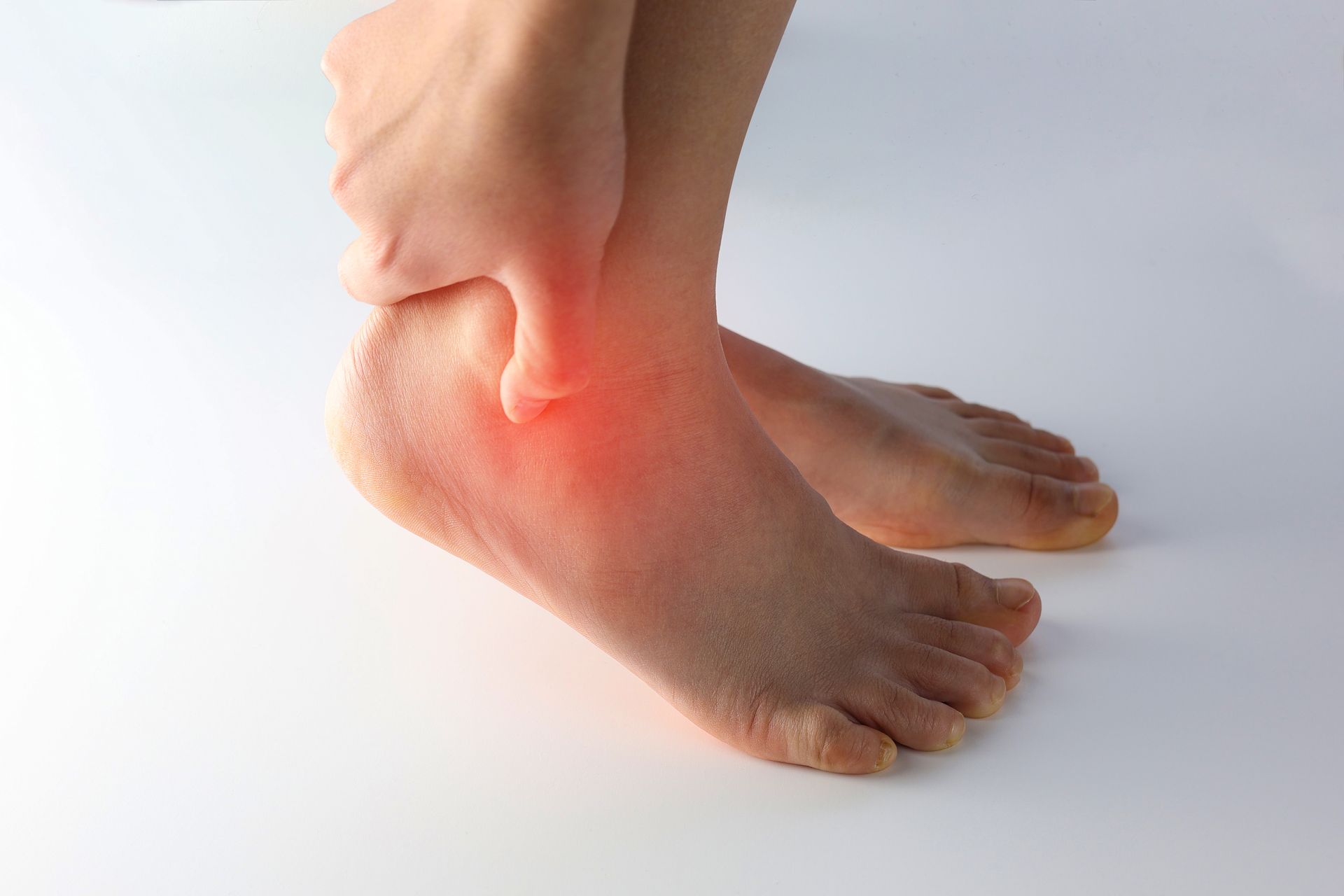
When an individual has injured themselves such as spraining their ankle, the number one thing to focus on is improving function right away. Its all about getting the person to perform gentle resistance exercises using an elastic/theraband, or performing traction to the ankle using the band as early as possible. You can try this for other body parts too. Some trainers and exercise physiologists are saying no to “RICE”. One notable exercise physiologist who runs a training facility in Toronto recommends Movement, Elevation,Traction and Heat. He uses the acronym “METH”.
There are studies that show the benefits of heat when directly compared to using ice for injuries. For example in the Journal of Physiological Science, an injured rat Soleus (Calf) muscle was investigated by using ice and heat. It was found that heat was a beneficial treatment for successful muscle regeneration at least by reducing fibrosis in the muscle. Another study that looked at the influence of heat on muscle regeneration after a crush injury on the leg of rats also found that when heat was applied right after the injury it promoted muscle regeneration and inhibited collagen deposition.
What happens when heat is applied to the body? We know that heat promotes increased blood production as blood vessels dilate to the injured area. The increase in blood flow does bring chemicals, proteins and white blood cells to the injury. This does create a process called inflammation, which helps to initiate the healing process. These cells do help promote healing to the tissue that is injured.
What does ice do? Well ice constricts blood vessels and pushes these cells out of the area of injury. We do need these inflammatory cells to help repair the injury, whether its muscle, ligament, nerve or a tendon injury. Could this be why the evidence shows that healing is delayed with the use of ice? Its highly likely from my opinion.
I never use ice for any of my clients after their injuries even if the body part is swollen. I use movement, traction and heat to their body part. They have all recovered well and in a timely manner. I feel we need to move forward and adopt a more proactive approach to what the evidence is stating. Know what the evidence states but I also do agree that you should also listen to your body and do what feels right. Remember, “change is the only constant thing in life.” Don’t be resistant to change and don’t let your ego prevent you from hearing and adopting what could be better in the long term.
Until next time.
References:
1) Bizzine, Mario. Ice and Modern Sports Physiotherapy:still cook. Br J Sports Med 2012 46:219.
2) Oakley, Elizabeth T, Pardeiro, Rafael B, Powell, Joseph W, Millar Audrey L. The effects of Multioke Applications of ice to the Hamstrings on Biochemical measures, Signs and Symptoms Associated with Exercise Induced Muscle Damage. Journal of Strength & Conditioning Research, 2013 Oct;27(10):2743-2751.
3) Hutchins, Aaron. Why ice doesn’t help an injury. May 20, 2014.