The Adjustment Timeline For Bunion Relief Wearing Orthopedic Footwear
Tread Well • September 2, 2026
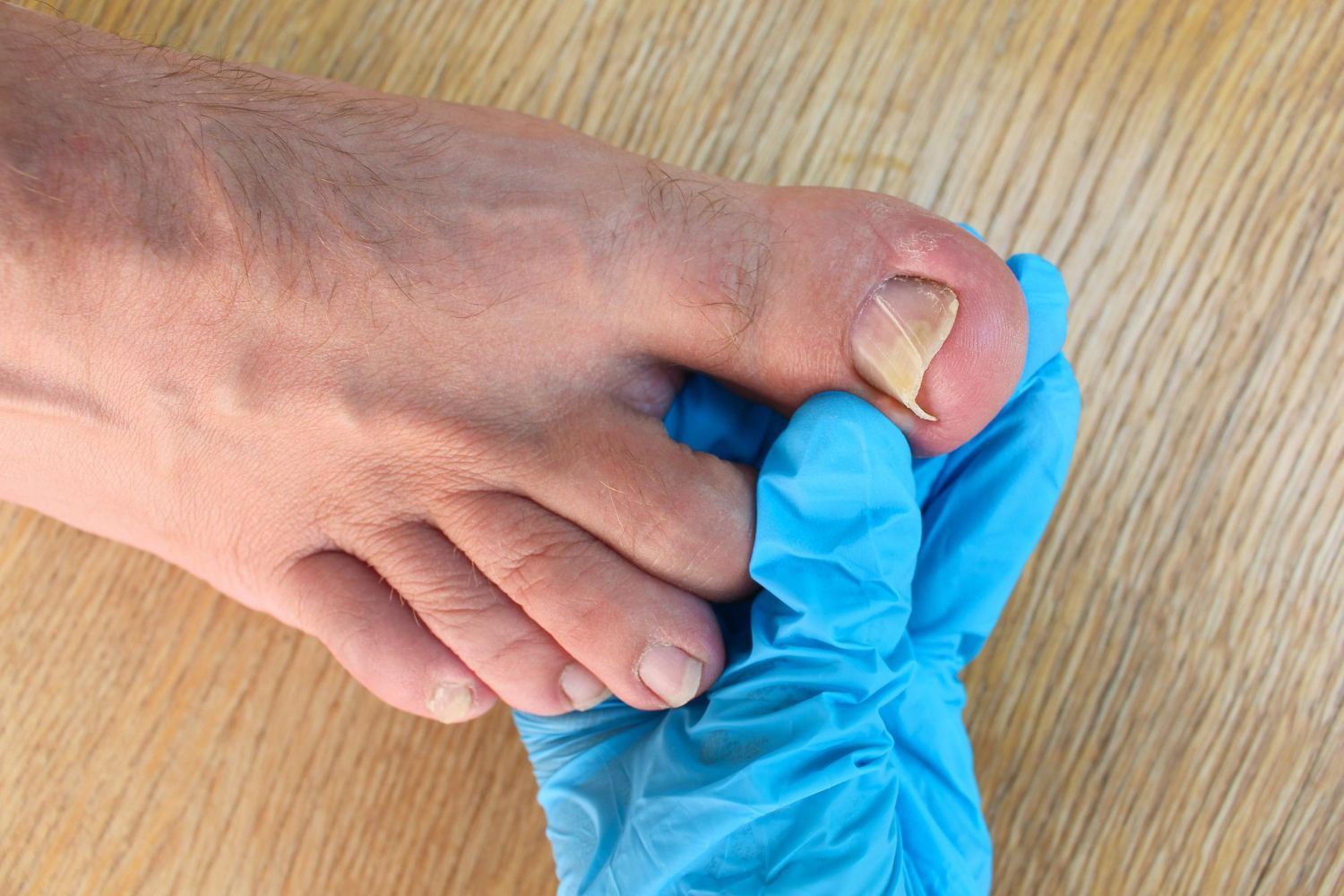
A prominent bunion changes the entire shape of your forefoot, making standard retail shoes incredibly painful to wear. Many people who enjoy hiking near Mount Nemo find themselves cutting their outdoor activities short due to severe joint throbbing. At Tread Well, we help patients navigate the overwhelming process of selecting clinical shoes that actually accommodate their unique foot structure.
Investing in corrective shoes is a major step toward long-term mobility, but it requires a period of physical adaptation. Your muscles and ligaments need time to adjust to proper anatomical support after years of walking in poor alignment. Understanding what to expect during this transition ensures you achieve the maximum benefit from your new orthopedic footwear.
What We Cover:
- What To Know About Biomechanical Adaptation
- Red Flags When Evaluating Footwear Providers
- Will Bunion Relief Wearing Orthopedic Footwear Happen Instantly?
- Questions To Ask Your Chiropodist Before Buying
- Committing to Healthier Movement
What To Know About Biomechanical Adaptation
When you slide your foot into a supportive clinical shoe, the deep heel cup and wide toe box immediately alter your posture. Your body has likely spent years compensating for the pain of your bunion by shifting weight to the outside edge of your foot.
- Muscle Fatigue: It is entirely normal for your calves and arches to feel tired during the first few days as they engage properly for the first time in years.
- Joint Alignment: The shoes guide your foot into a neutral position, which changes the mechanical angle of your knees and hips.
- Skin Conditioning: The materials require a short breaking in period to soften and conform perfectly to the unique bumps and contours of your foot.
Red Flags When Evaluating Footwear Providers
Not every shoe labeled as therapeutic actually provides clinical value. Knowing how to spot subpar products protects your feet from further damage and saves you from wasting your money.
- Narrow Toe Boxes: If a provider suggests a shoe that pinches your toes together even slightly, it will rapidly accelerate the progression of your bunion.
- Flimsy Sole Construction: A shoe that can be easily folded in half lacks the rigid shank necessary to support the metatarsal joints during walking.
- Lack of Measurements: Any retailer who hands you a box without physically measuring both the length and width of your feet is not providing professional care.
Will Bunion Relief Wearing Orthopedic Footwear Happen Instantly?
Patients frequently wonder how quickly they will feel a reduction in their daily joint pain. While the wide toe box provides immediate relief from surface friction and blistering, structural relief takes a bit more time. You will likely feel a significant decrease in deep joint throbbing within the first two weeks as the supportive sole reduces the daily mechanical stress on your big toe. For complete comfort, you must follow a gradual wear schedule, starting with just two hours a day and slowly increasing the duration to allow your soft tissues to adapt safely.
Questions To Ask Your Chiropodist Before Buying
Clear communication with your clinician guarantees that your new shoes align perfectly with your daily lifestyle and specific medical needs.
- Are these shoes deep enough to accommodate custom foot orthotics if I need them later?
- What specific material is best for reducing friction directly over my bunion joint?
- Do you recommend a rocker bottom sole to help reduce the bending pressure on my big toe?
Committing to Healthier Movement
Choosing the right supportive shoe is an investment in your daily comfort and overall joint health. A structured break in period ensures that your body accepts the new alignment without unnecessary soreness. Reach out to our team to book a professional footwear fitting and find the perfect match for your feet.